
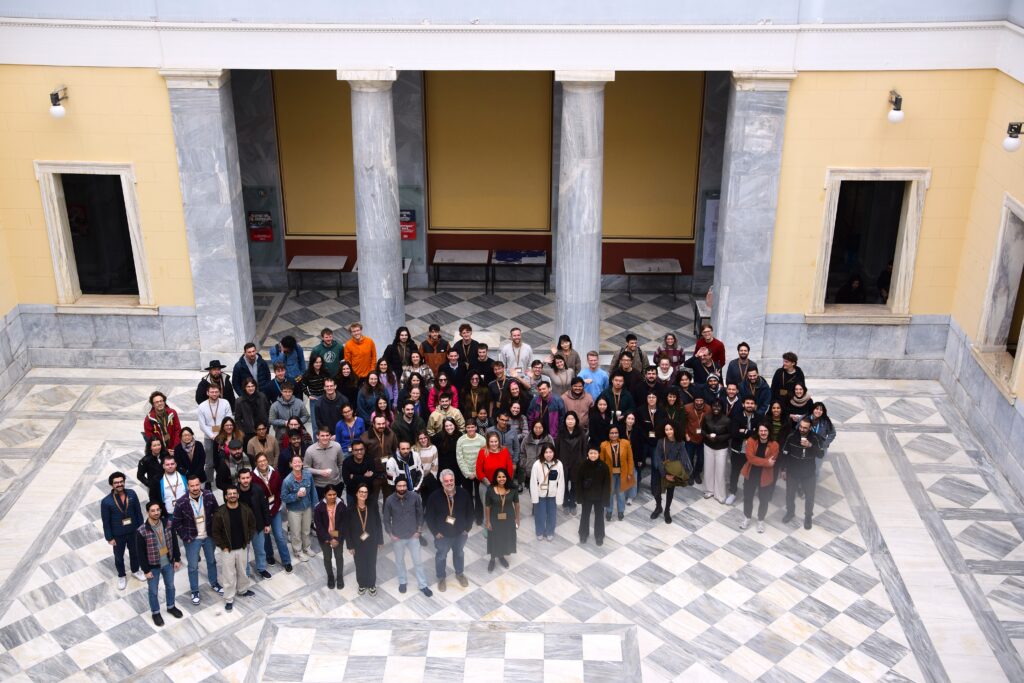
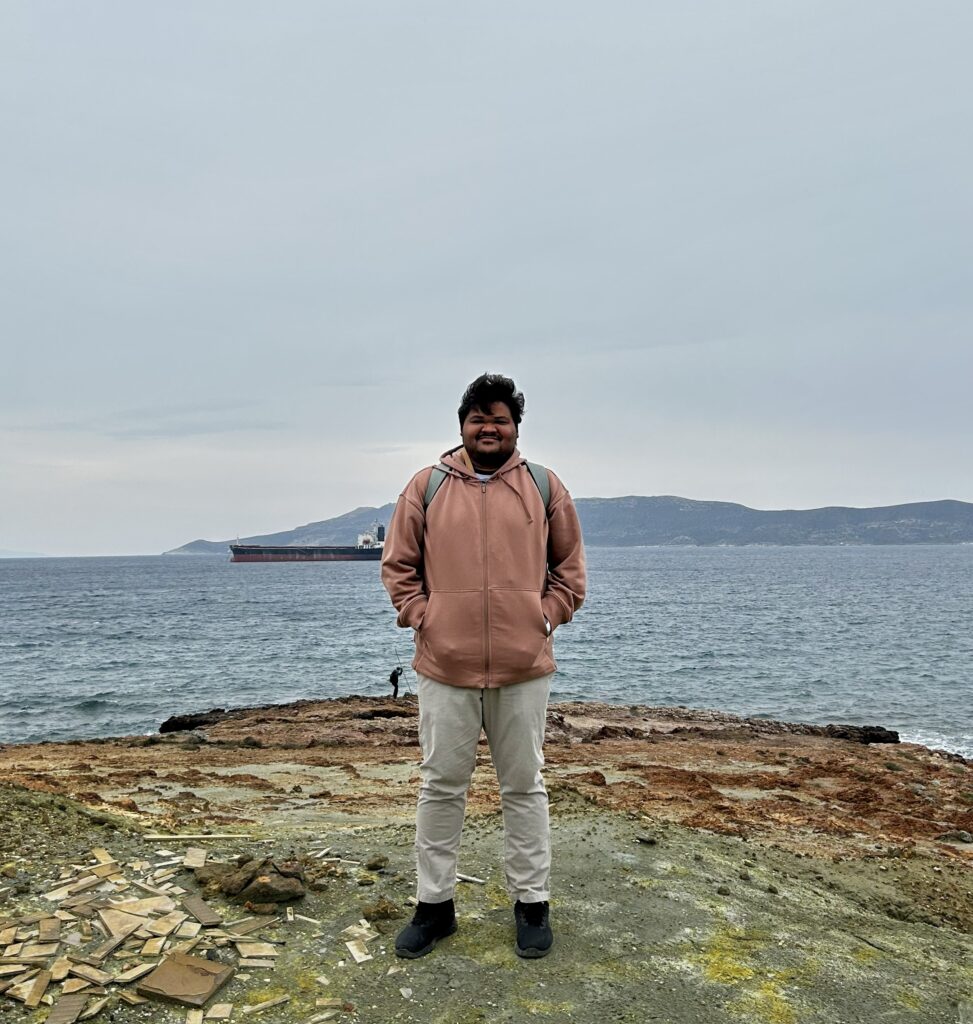
Sai Ganesh Veeravalli at the ELLIS Winter School 2026 in Athens, Greece
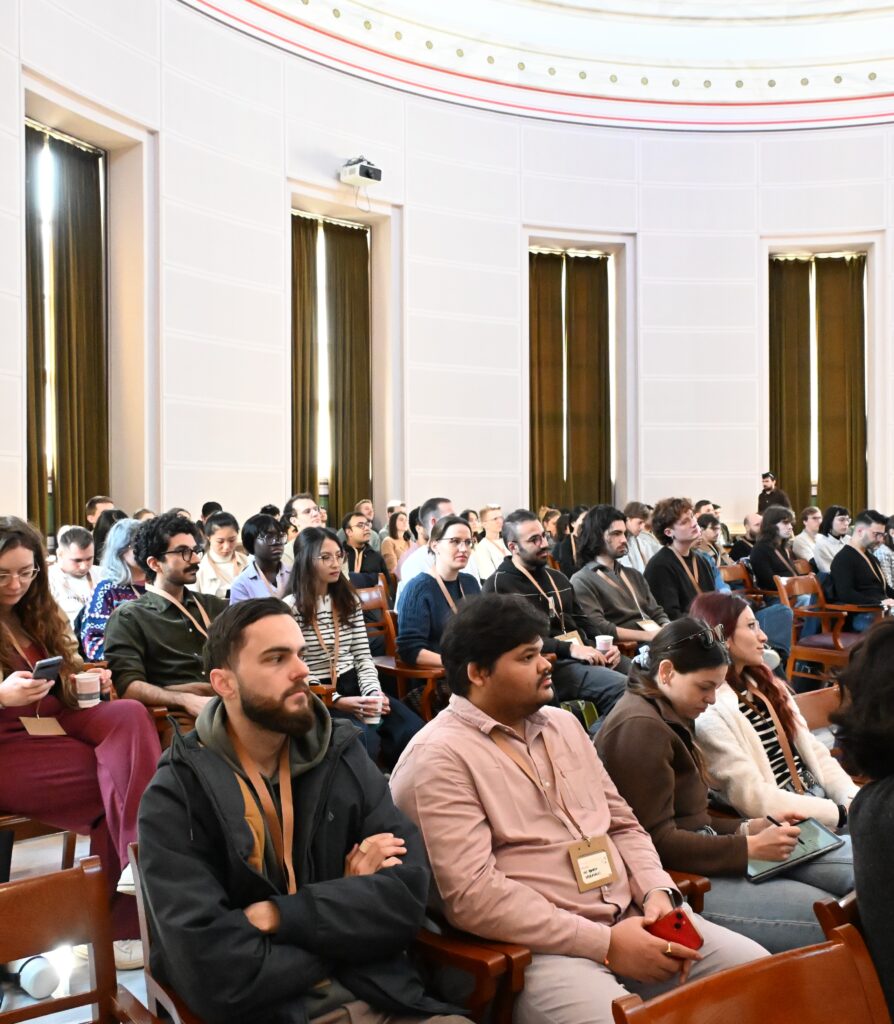
Last week, Sai Ganesh Veeravalli attended the ELLIS Winter School: AI for Earth System, Hazards & Climate Extremes in Athens, Greece, an intensive and genuinely thought-provoking experience.

Rather than just new tools, what stood out most were a few shifts in how I think about AI in geoscience.
1. Trustworthy AI is now central to the field
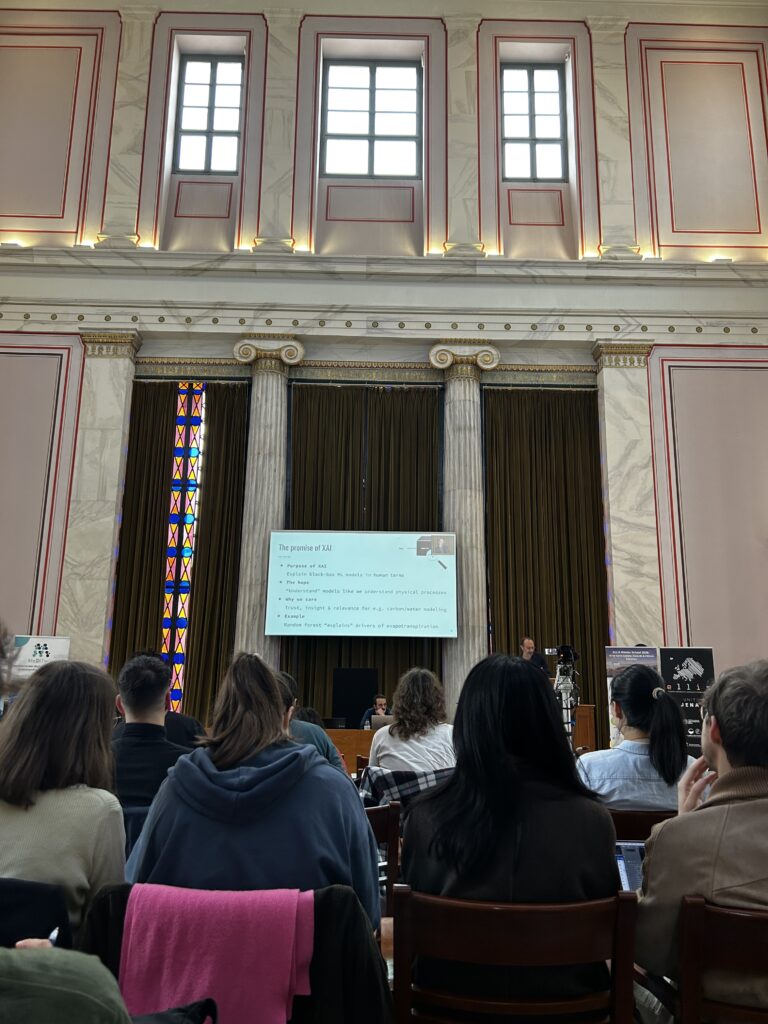
Several keynotes – from causal reasoning (Gustau Camps-Valls) to responsible AI (Pedram Ghamisi), uncertainty quantification (Alexander Brenning), and ethics (Mrinalini Kochupillai) – highlighted a clear direction: performance alone is no longer sufficient.
In applications like urban development and vulnerability mapping, where outputs can influence planning and policy, explainability, robustness, and ethical considerations are critical. This strongly resonates with challenges I encounter in our work at DEPRIMAP.
2. Cloud-native EO workflows are becoming essential
A hands-on session on STAC, xarray, and Dask introduced scalable approaches to accessing and processing Earth Observation data directly in the cloud. Very well executed session by Mohanad Albughdabi.
For research operating at a global scale, this is a major shift. Moving away from local storage constraints towards cloud-native, analysis-ready pipelines could significantly improve efficiency and reproducibility in our workflows.
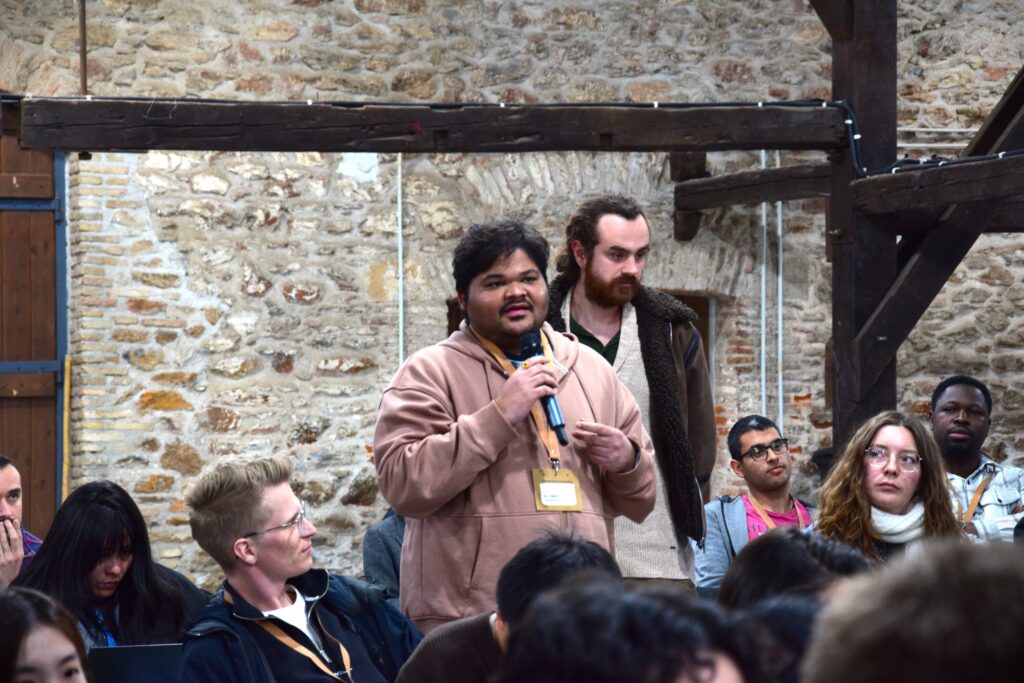
3. Fundamentals still matter – even in the era of deep learning
A well-structured Machine Learning (ML) crash course revisited core concepts such as overfitting/underfitting, validation strategies, and model design. It was reassuring (and useful) to see common pitfalls – many of which we encountered in earlier work being systematically addressed. Excellent lecture material and practicals by Christain Reimers.
It reinforced that strong foundations remain essential, regardless of model complexity.
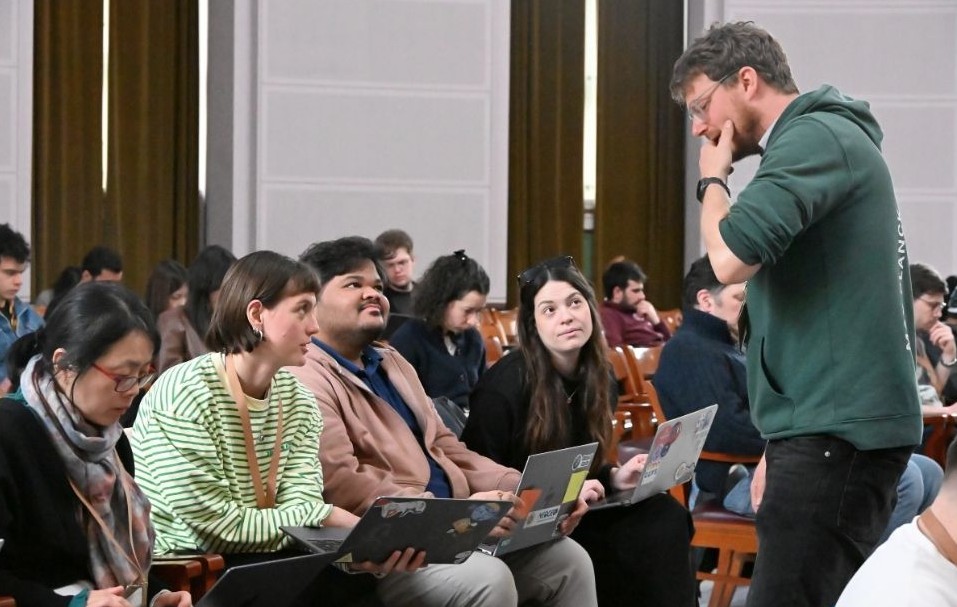
4. New data paradigms: cubes, embeddings, and multimodal integration
Through the team challenge on multi-modal forecasting of forest dynamics, I was introduced to working with data cubes – integrating spatiotemporal EO, meteorological, and environmental data into a unified structure.
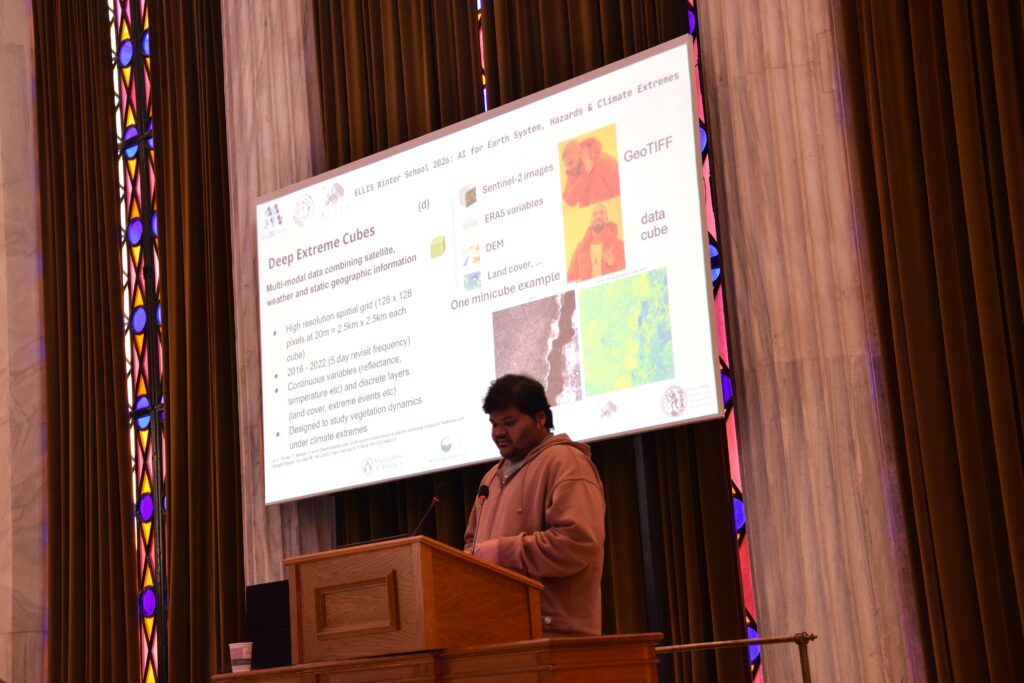
Discussions around embeddings and foundation models also opened up new perspectives on how we might represent and learn from complex Earth System data. Thanks to our challenge tutor, Vitus Benson, and team members Ayush Prasad, Leticia Perez Sienes, Niki Anastopoulou, Paula Costa, and Niklas Beck.
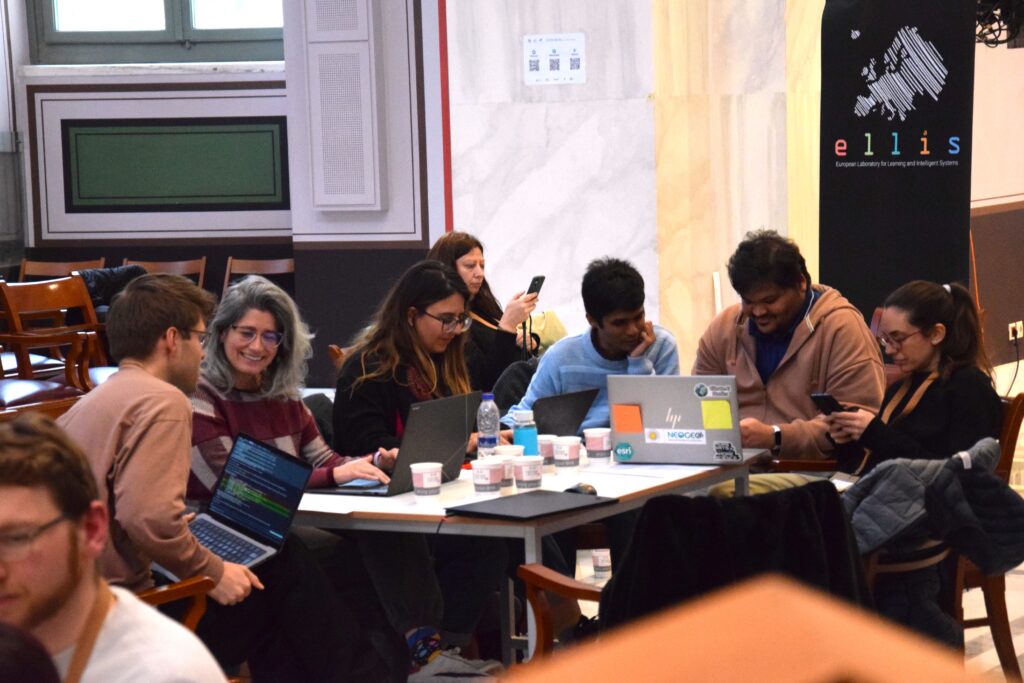
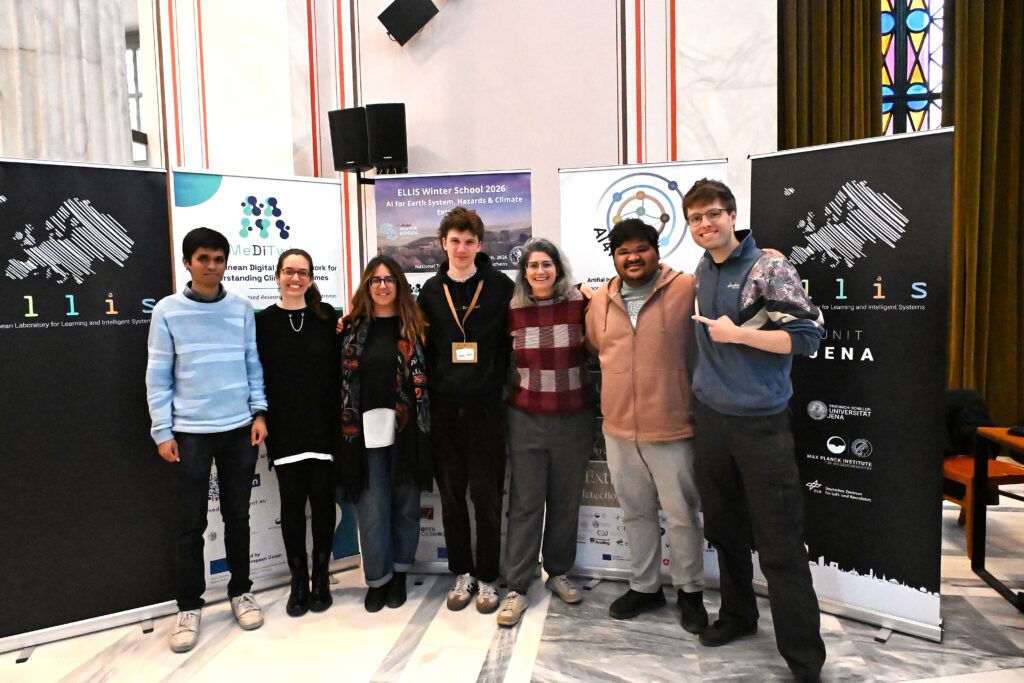
It was also great to reconnect with old colleagues and meet new researchers working at the intersection of AI and climate science.
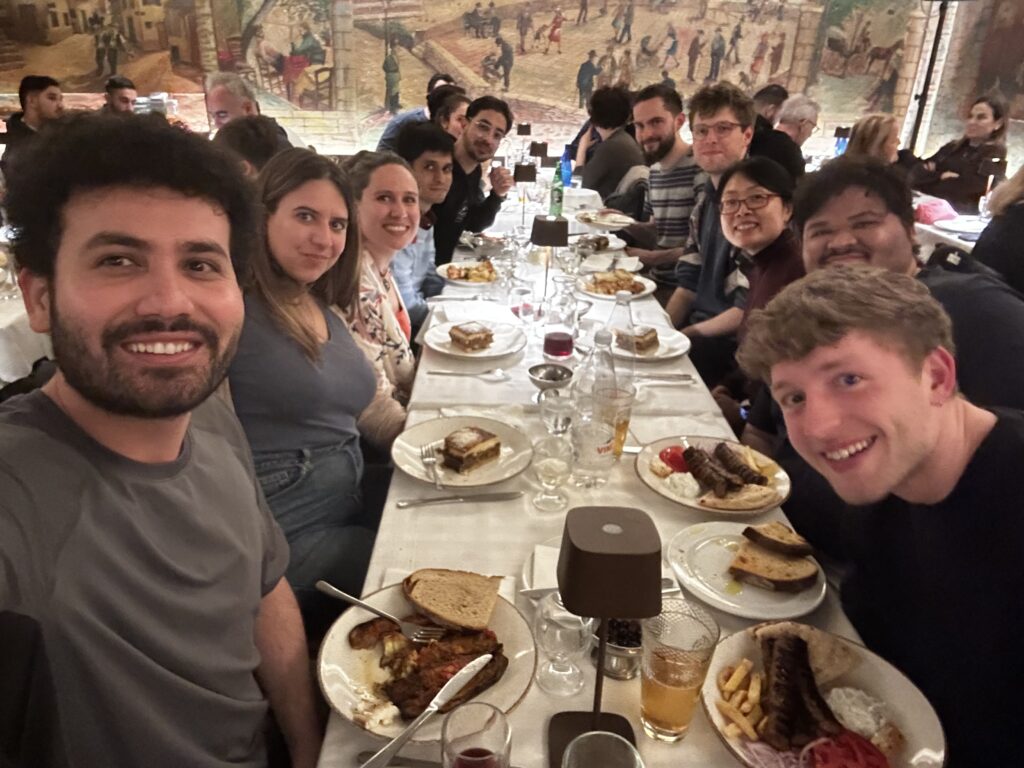
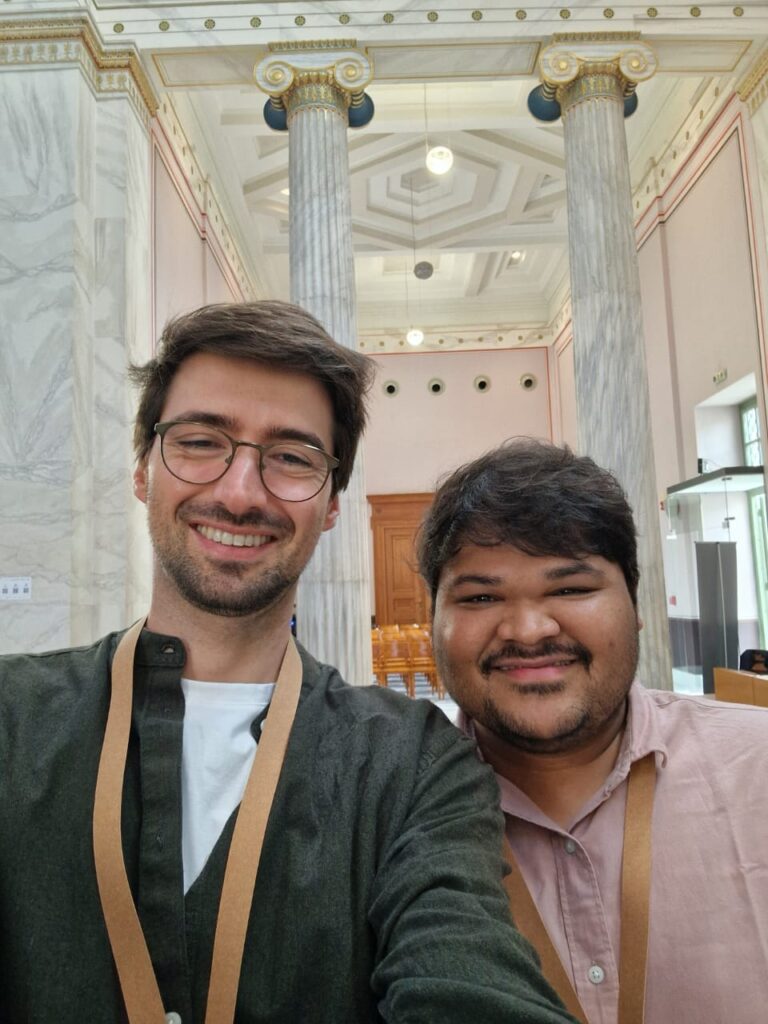
Overall, the week reinforced an important shift:
The challenge is no longer just building models – but building models that are scalable, interpretable, and actionable.
I am looking forward to integrating these ideas, especially around cloud-native EO processing, uncertainty-aware modelling, and explainable AI into our ongoing work in DEPRIMAP.
A big thanks to the organizers (especially Dr. Georgina Spyres and her fantastic team), speakers, and participants for a well-curated and inspiring week in Athens.
Acknowledgements
Sai Ganesh Veeravalli would like to thank the DynEO4SLUMS project financed by BELSPO for funding and supporting the participation in this winter school.

No responses yet